
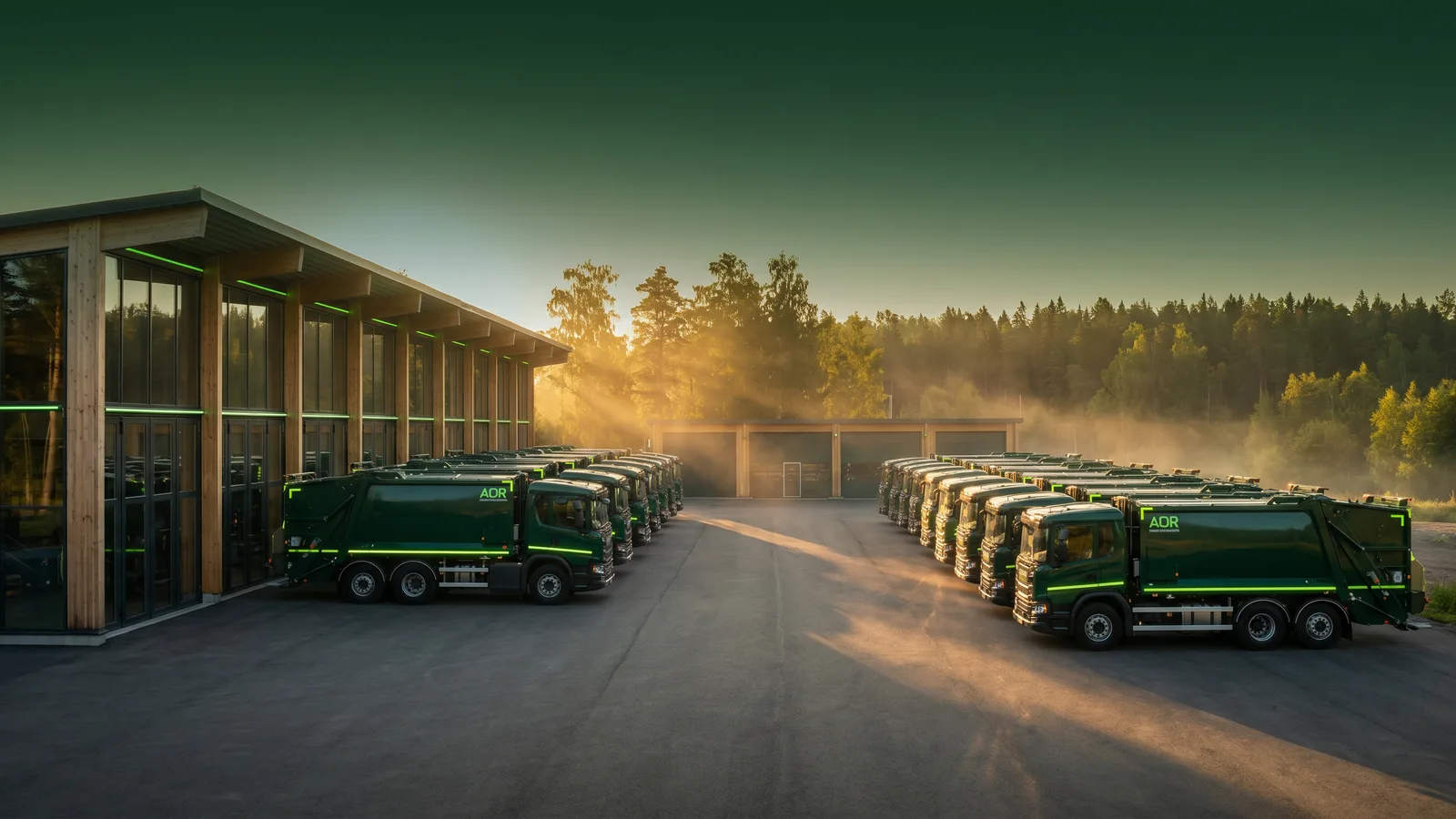
Waste collection, fully taken care of
IAM beoordeelt iedere afvalstroom en organiseert de juiste route. We collect most business waste streams ourselves — with ADR-authorised transport, watertight documentation and certified processing. For specialist streams we advise and coordinate, so you always keep a single point of contact.
Which streams do we collect?
Waste oil
Engine and lubricating oil, often with compensation.
Wastewater
Contaminated water, collected and treated.
Hazardous waste (KGA)
Small hazardous waste, safely collected.
Commercial waste
Paper, cardboard, film, wood, metals and glass.
Oil filters & oily water
Used filters and oil-water mixtures.
All waste streams
View the full overview of streams we handle.
How does collection work?
Report your stream
Tell us the type, origin and volume of your waste.
Assessment & route
We determine the EURAL code and the best disposal route.
Collection on site
ADR-authorised collection, often within a few working days.
Processing & documentation
Certified processing with watertight chain documentation.
What determines the price of waste collection?
The cost of commercial waste collection varies widely per situation. Decisive factors are the number and type of streams (hazardous waste requires ADR transport and certified processing), volumes and frequency, the containers used and the location. Separating well at the source is the biggest cost lever: clean mono-streams are cheaper — and sometimes even worth money. After an intake you receive one transparent proposal.
Type & number of streams
Hazardous waste has higher transport and processing requirements than commercial waste; recyclable streams lower total costs.
Volume & frequency
Fixed schedule or on-call, from pail to tanker: the combination of volume and trip frequency sets the unit price.
Source separation pays
The cleaner the stream, the cheaper the processing. Cardboard, glass and clean oil can even earn compensation.
Every partnership starts with an on-site intake: we walk through your streams, weigh volumes and peaks and assess what already works and what can improve. You then receive one proposal listing container, frequency and rate per stream — including the streams that earn money. After approval we place the packaging and collection starts on schedule, with reporting that shows what separation earns you.
Frequently asked questions
Which waste streams does IAM collect?
Most business waste streams — waste oil, wastewater, KGA, oil filters, industrial residues and commercial waste — we collect ourselves. For specialist streams such as ship waste, medical waste and e-waste we advise and coordinate.
How quickly can waste be collected?
One-off collections are usually arranged within a few working days. For recurring streams we set up a fixed collection schedule.
Can several streams be collected at once?
Yes. We are happy to combine multiple streams in a single collection, which is more efficient and often cheaper.
Does IAM work throughout the Netherlands?
Yes. From our location in IJmuiden we collect waste from businesses throughout the Netherlands.
Can multiple waste streams go into one contract?
Yes, that is exactly our starting point: one intake, one schedule and one report for all your streams — from KGA to cardboard.
How quickly can collection start?
After the intake we place the packaging and plan the first collection — often at short notice by arrangement, depending on the streams.
Do you work with fixed collection days?
We plan a schedule that fits your operation: fixed days, on-call or a combination. During peaks we temporarily scale up.
Can I switch while still under contract with another collector?
Yes, often per the end date of your current contract. We plan the switch ahead and make sure packaging and schedule connect seamlessly, with no gap in collection.