
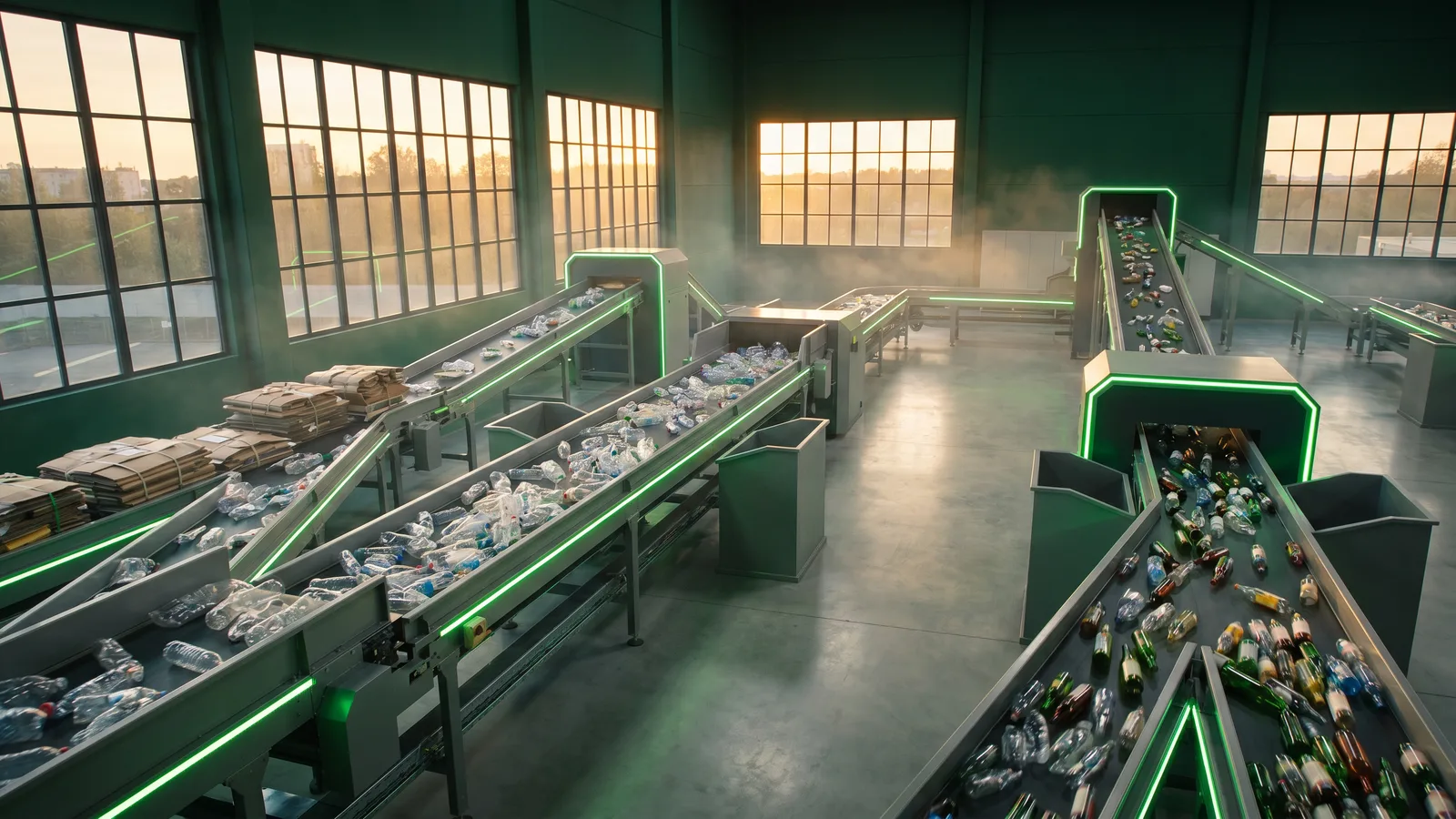
All waste streams we handle
We collect, transport and process commercial waste streams across three categories — oil-bearing, wastewater and hazardous. Each stream links to a dedicated page with details, EURAL codes and how to have it collected.
Oil-bearing waste streams
Wastewater streams
Industrial wastewater
Contaminated water from production processes.
View →Process water
Water from production and treatment processes.
View →Rinse water
Rinse, cleaning and degreasing water.
View →Tank-cleaning water
Cleaning water from tanks, IBCs and containers.
View →Fire-extinguishing water
Contaminated fire-water after a fire or incident.
View →Sludge / sediment
Settled sludge and sediment from tanks and pits.
View →Hazardous waste streams
Hazardous waste (KGA)
Small hazardous waste, safely collected.
View →Solvents
Thinners, diluents and solvents.
View →Fuel residues
Rejected petrol, diesel and mixtures.
View →Chemically contaminated waste
Chemically contaminated residual streams.
View →Industrial residual streams
Mixed residual streams from production and industry.
View →Frequently asked questions about waste streams
How do I know which waste stream my waste falls under?
Unsure about the classification? Provide the type, origin and composition via the quote form. We determine the right waste stream and EURAL code and advise on the disposal route.
What is an EURAL code?
The EURAL code (European Waste Catalogue) is a six-digit code that classifies every waste stream. An asterisk (*) means the stream is hazardous waste. The code determines the disposal and processing rules.
Is my waste stream hazardous waste?
Many business waste streams — such as waste oil, KGA, oil filters and brake fluid — are hazardous waste and may only be disposed of by a VIHB-registered collector. We assess this per stream.
Can IAM collect several waste streams at once?
Yes. We are happy to combine several streams in a single collection, with the right separated packaging and documentation per stream.
Does IAM collect throughout the Netherlands?
Yes. From IJmuiden we collect waste streams from businesses throughout the Netherlands, and for liquid streams we provide international transport.
Discover more
Services
The full waste-management service: collection, transport, documentation and processing.
View services →Sectors
Sector-specific waste management for automotive, ports, healthcare, construction, food and industry.
View sectors →Projects
Completed projects: from local collection to international tank-container transport.
View projects →